All posts by Numero Admin

What Makes the Best Heat Pump in NZ Fail? The Role of Cleaning and Maintenance

Even the best heat pump in NZ weakens when layers of dust and grime settle deep inside the unit. You likely bought a top-tier system to survive freezing winters, but without care, that expensive machine starts to perform like a cheap fan. You might also notice the room taking longer to warm up or feel a draft instead of steady heat, all while your power bill keeps climbing.

However, this isn’t a fault with the brand. It is a sign that the system is suffocating. A dirty heat pump unit fights against blocked airflow every single minute it runs. But as a solution, regular maintenance stops this struggle, protecting your wallet and ensuring you aren’t left in the cold when the next frost hits.


How the Best Heat Pump in NZ Strengthens Everyday Ventilation

A clean heat pump does more than control temperature. It actively improves the air you breathe. The unit pulls air from the room, passes it through filters, and returns it to your living space. This circulation supports healthier airflow throughout the day.

A well-maintained system acts as the lungs of your house. When the internal parts are clear, the system traps airborne particles such as pollen and dust. Yet if the filters are clogged, the unit cannot properly cycle air, leading to stagnant pockets in your home. It keeps the environment fresh and reduces the risk of dampness settling on your windows or walls.


The Core Features of a Well-Performing Heat Pump

The best heat pump in NZ offers steady performance through seasonal changes and handles daily use without unnecessary strain. These qualities help the unit stay reliable throughout the year. Owners should anticipate their system to operate smoothly without constant adjustments, and when you buy the best heat pump, you expect it to handle the workload.

Consistent Heating and Cooling Output

A good heat pump delivers stable temperatures without sudden drops or long wait times, helping households stay comfortable during warm summers and cool winters. The best heat pump maintains the set temperature within a degree or two. It should not struggle to keep up.

If you rely on a temporary solution, such as a portable heat pump, you might notice hot and cold spots in the room. A high-quality wall unit eliminates this issue when it is running correctly, filling the space evenly. You should not have to sit right next to the vent to feel the benefit. A clean wall unit spreads warmth to every corner, unlike a portable heat pump, which often only heats the air right in front of it.

Strong Airflow Across the Room

Reliable airflow lets the system move warm or cool air quickly. This becomes easier when the internal parts stay clean, as the fan and coil operate without resistance. The fan inside the indoor unit is designed to push air to the furthest corners of your lounge or bedroom.

When dust coats the fan blades, they lose their ability to grab the air. The best heat pump in NZ will struggle if the fan cannot spin freely. You might hear the motor running, but the breeze feels weak. Keeping the internals clear guarantees the air reaches where you are sitting.

Quiet Operation During Daily Use

A good heat pump runs with limited noise from the indoor and outdoor units. Clean fan blades and clear internal paths support this quiet performance. Modern units are engineered to be whisper-quiet.

Noise actually indicates a problem. If the unit starts to rattle or buzz, it is usually due to a dirt imbalance. Dust build-up on the barrel fan can cause it to wobble, creating a vibration that echoes through the casing. The best heat pump in NZ should be barely audible, keeping your home peaceful.

Reasonable Energy Consumption

A good heat pump uses electricity efficiently for its size. Clean parts support the system by reducing the effort required to run it. Efficiency is the main reason people switch to heat pumps.

But when a unit is clogged, it draws more power to do the same job. You pay for electricity that doesn’t produce heat. The best heat pump in NZ stays efficient only when the airflow is unrestricted. High bills are often the first clue that maintenance is overdue. Through cleaning, you restore the unit’s efficiency and keep your monthly costs down.

Durable Build Suitable for New Zealand Conditions

A good heat pump handles changing outdoor temperatures, moisture, and local weather. These units are designed for long-term use in NZ homes. Coastal air and damp winters can be harsh on machinery, and your equipment needs to be tough to survive.

The best heat pump in NZ features coatings on the outdoor coils to resist corrosion, yet outdoor units can still gather salt, dirt, and leaves. Cleaning ensures that the durable build is not damaged by external debris, which can protect the metal and electronics inside.

Filters That Improve Indoor Air Quality

A good heat pump includes filters that collect dust and fine particles. When cleaned, these filters help maintain healthier indoor air. They are the first line of defence against allergens.

If you let these filters get fully blocked, the system may bypass them entirely. This pulls dirt deeper into the machine. The best heat pump in NZ depends on these filters to protect the sensitive internal coils. Keeping them clean is essential for both the machine and your health.


The Slow Impact of Build-Up on Heat Pump Strength

A heat pump collects layers of dust, pollen, and fine dirt as it runs each day. These layers gradually reduce airflow, making the system less responsive. This process happens gradually, so you might not notice the daily drop in performance. It is like a car losing power over thousands of kilometres; you only notice when it becomes a real problem.

Dust Build-Up That Slows Performance

When coils and filters become covered in dirt, the system moves less air and must work harder to warm or cool the room. This slow decline often goes unnoticed until the heat pump struggles during colder days. You might find yourself turning the remote up higher to get the same warmth.

The heat exchange coils inside the unit have tiny gaps between the fins. Dust effectively bridges these gaps, blocking airflow. Even the best heat pump in NZ cannot heat air that cannot pass through the coil. The system runs longer cycles to reach the target temperature, which wears out the compressor and significantly increases your running costs.

Moisture and Odour Problems From Neglect

Moisture trapped inside the unit mixes with dust, leading to stale odours. This environment can form grime that affects the internal parts of the heat pump. You might smell a musty scent when you first turn the unit on, and this is a sign of microbial growth, which is perfect for mould.

A portable heat pump is easier to inspect for this, but a wall-mounted unit hides the problem well. This grime creates a sticky layer that attracts even more dust. It creates a cycle of dirt accumulation that prevents the best heat pump in NZ from smelling fresh.

Strain on the Motor and Fan

Restricted airflow places pressure on the motor and fan assembly, shortening the lifespan of parts that should last for years. The motor is designed to push air, not force it through a solid wall of dust. This can create unnecessary stress on the hardware.

When resistance is high, the motor heats up. Over time, this heat degrades the electrical windings and bearings. You might find yourself replacing a fan motor years earlier than expected. The best heat pump in NZ is built to last, but it assumes you will keep the airways clear to keep it lasting much longer.


Common Failure Points Caused by Lack of Cleaning

Repeated build-up can affect key components of the heat pump, increasing the risk of faults. Neglect attacks specific components that are vital for operation. Understanding these failure points helps you see why professional attention is necessary:

  • Blocked Filters. Dust limits airflow and reduces the system’s ability to distribute warm or cool air. The filters are the easiest part to check. If they are grey and fuzzy, the heat pump is suffocating. This blockage increases the pressure inside the unit, causing the fan to strain.
  • Dirty Coils. Grime reduces heat transfer, forcing the system to run longer. The coil acts as the heat exchanger. If it is insulated by dirt, the heat stays in the refrigerant rather than entering your room, killing its efficiency.
  • Clogged Drain Routes. Trapped dirt causes water to gather and creates damp pockets inside the unit. Heat pumps produce water as they dehumidify. If the drain is blocked by slime, the water backs up. It can leak down your wallpaper or damage the unit’s electronics.
  • Fan Contamination. Dirt on the fan blades produces extra noise and weak airflow. The scroll fan has curved blades designed to scoop air. When these curves fill with dust, they lose their shape. As a result, the best heat pump in NZ becomes noisy and ineffective.


Why Clean Parts Matter for the Best Heat Pump in NZ

Cleaning removes build-up that impairs a heat pump’s core functions. This keeps the system closer to its original performance. Restoration cleaning can bring an old unit back to life:

Steady Airflow Across the Room

Once the filters and coils are cleaned, the heat pump distributes air more evenly. This helps the home feel comfortable much sooner. The difference in air pressure is often immediate, as you can feel the air moving.

You will notice the unit does not have to run at full speed to maintain warmth. It creates a gentle, consistent circulation. A portable heat pump often lacks the power to throw air across a large room, but a clean wall unit handles this easily. The best heat pump in NZ provides comfort you can feel everywhere. It stops the room from feeling stuffy.

Lower Energy Use Throughout the Season

A clean heat pump uses less electricity because it runs without unnecessary strain. This helps households control power costs during winter and summer. Saving money is a priority for every homeowner. With energy prices rising, efficiency is key.

When the coil is clean, the heat transfer is instant. As the compressor runs for shorter periods, this gives efficiency, which is significant over a long winter. Owning the best heat pump in NZ saves you money, but maintaining it multiplies those savings. You get the maximum heat for every dollar you spend on power.

Better Air Quality Indoors

Dust and fine particles gather inside a dirty unit. Cleaning these areas keeps the home fresher, which is particularly important for those with respiratory issues.

A dirty heat pump recycles dust and mould spores. By cleaning it, you remove the source of the pollution, making your space smell better and feel lighter. The best heat pump in NZ should improve your environment, not pollute it.


The Role of Cleaning in Heat Pump Health

A heat pump that stays clean avoids the strain caused by blocked parts, reducing the likelihood of breakdowns and helping the system last longer. Preventing damage is always cheaper than fixing it. Here’s why cleaning improves your heat pump’s health:

  • Motors Avoid Overheating. The fan motor runs cooler and more smoothly when it is clean. Friction is reduced, preserving the bearings. The best heat pump in NZ has a high-quality motor, and regular cleaning helps it last its full design life. A replacement motor is expensive, so it pays to look after the original one.
  • Electrical Parts Stay Cooler. Electronics hate heat, and when the system struggles, internal temperatures rise. Keeping vents clear protects the circuit boards that control the unit. If the main board fries, the unit often needs to be replaced entirely.
  • Moisture Control Prevents Damage. Proper drainage prevents rust by preventing water from pooling near electrical connections.


Clear Signals That Heat Pump Cleaning Is Due

Many New Zealand homes show early signs long before the heat pump fails. Being observant can save you from a mid-winter breakdown. You do not need to be an expert to spot these clues. Here are some signs you need to look for:

  • Weak Airflow. If you hold your hand near the unit and feel very little air, the fan is likely clogged.
  • Slow Heating. If the best heat pump in NZ takes an hour to heat a room that used to take twenty minutes, efficiency has dropped.
  • Bad Smells. A stale smell when the unit starts indicates active mould growth on the coil or in the drain pan.
  • High Bills. A rise in electricity bills over the season often points to a dirty machine working overtime.
  • Visible Dust. If you can see black dust on the louvres or vents, the inside is likely much worse.

Even a portable heat pump shows these signs. However, because wall units are mounted high up, people often forget to check them until they stop working. A quick monthly check can tell you a lot about your system’s health.

Keeping Your Heat Pump in Good Shape

Routine cleaning protects the performance of the best heat pump. Clear airflow, cleaner parts, and reduced strain allow the unit to run steadily and reliably throughout each season. Taking a proactive approach ensures your home remains a sanctuary against the weather.

You invested in the best heat pump to provide comfort and improve your household’s health. Safeguarding that investment also means paying attention to the machine’s hygiene. By keeping the system clean, you ensure it operates at peak efficiency year after year.

At Southland Home Ventilation, we offer careful heat pump cleaning. Our team removes build-up, refreshes airflow, and supports long-term performance so your heat pump keeps working as intended. We understand the specific needs of the region and how to get the most out of your heating system. Also, we go deeper than a simple filter wipe to ensure your system is truly clean. 

Contact us now to arrange a complete heat pump servicing and ensure you continue to enjoy the best heat pump in NZ.


FAQs About Heat Pump Cleaning

What is the lifespan of a heat pump?

Most quality units last between 10 and 15 years. But this depends heavily on location and care. Meanwhile, the best heat pump will serve you for over a decade if you keep it well-maintained.

Can I clean the heat pumps myself?

Homeowners should clean the filters regularly. This is a simple task that requires no tools. However, you should not attempt to clean the internal coils or fan barrel as these parts require disassembly and specialised cleaning agents. Therefore, you need professional hands for deep work.

Do heat pumps need deep cleaning?

Absolutely, because internal grime grows mould and restricts heat transfer. A standard filter clean does not reach these areas. Professional heat pump deep cleaning, like the one we offer at Southland Home Ventilation, is a great way to restore the performance of the best heat pump in NZ.

How often should heat pumps be serviced in NZ?

If you use the unit for both heating and cooling, or live near a busy road, you might need heat pump servicing more often. Regular intervals prevent the heavy build-up that causes damage. It is a small annual cost to protect a large investment.
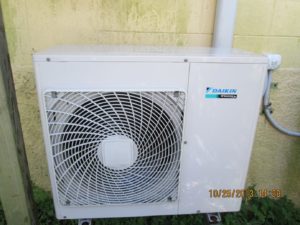
Key Factors That Influence Heat Pump Installation Cost in NZ Homes

Heating and cooling systems are now important in many New Zealand homes, especially in places with extreme weather. Homeowners want options that save energy, keep costs low, and keep them comfortable year-round. Heat pumps are popular because they can both heat and cool with a single system.

Choosing a heat pump is more than just picking a model because the total cost depends on several factors specific to each home. Knowing what affects the price helps homeowners plan better and make smarter choices. This blog explains the main things that influence heat pump installation costs in NZ homes.


System Size Impacts Heat Pump Installation Cost in NZ

One of the most direct factors affecting heat pump installation cost in NZ is the size of the selected system. A larger heat pump system will require more materials, a longer installation time, and potentially more labour, which can all add to the final bill. For instance, a multi-room or whole-home solution will cost more to install than a smaller unit designed to serve one area.

Room size, insulation, and local climate determine how much heat a home needs. Installing the wrong size reduces efficiency, raises energy bills, and affects comfort. A larger unit costs more to buy, while a smaller unit may struggle to heat or cool the home properly.

Choosing the correct size at the outset saves both time and money and prevents future modifications. Experts consider the home’s layout, floor area, and intended use when preparing an installation quote. Planning carefully from the start helps avoid extra costs and ensures the system works efficiently.


Type Of Heat Pump Affects Pricing

Heat pump systems vary widely in design and installation requirements, which directly impacts cost. Each type has unique components and labour needs that determine the heat pump installation cost in NZ.

Split Systems

Split systems consist of a single outdoor unit connected to one indoor unit. Ideal for small homes or apartments, installation requires minimal ducting and straightforward electrical connections. Limited components and simpler installation procedures make split systems one of the most cost-effective options.

Ducted Systems

Ducted systems distribute air through ceiling or floor ducts across multiple rooms. Installation involves cutting, sealing, and positioning ducts, plus fitting zone controls for temperature management. Extensive labour and additional materials increase both the time required and the total cost, making ducted systems more expensive than simpler setups.

Floor Consoles and Ceiling Cassettes

Floor consoles and ceiling cassettes provide centralised heating or cooling in single rooms or open-plan spaces. Installation requires access to ceiling cavities or floor framing and precise positioning to ensure effective air distribution. Additional structural adjustments and specialised mounting increase labour requirements and overall cost.

Home Layout Influences Setup Work

Every home has a unique layout that can impact the installation of a heat pump, influencing both labour and material requirements. High ceilings often demand more powerful units, raising equipment and installation costs. The arrangement of rooms and walls also determines the most effective placement of units for consistent heating and cooling.

Properties with older construction may lack open-plan designs, which can make air distribution more difficult, requiring additional planning for multiple units or ducted solutions. Likewise, homes with tight roof cavities or limited exterior wall access might need special brackets or routing options that involve more work and materials. These obstacles raise the installation cost and may delay project completion if complications arise.

Effective insulation and ventilation in modern properties can speed up installation and reduce costs, as fewer adjustments are needed. However, every layout must be carefully assessed before providing a quote to ensure the system requirements are fully met.

Installation Fees Differ By Location

Where a property is located can affect the total installation cost due to differences in labour rates, transport requirements, and installer availability. In metropolitan areas such as Auckland, competition among providers may offer more pricing choices and potentially shorter wait times. However, urban homes may present challenges like limited parking or restricted working hours, which also influence cost.

Homes in regional or rural areas often attract additional costs for installer travel, overnight stays, and the transport of equipment. Delivery delays or the requirement for special permits can add to both time and expense. Remote locations also face higher logistical challenges due to distance from suppliers and service centres.

Even within one city, prices may vary by suburb depending on installer access, local regulations, or road restrictions. This variation means that the heat pump installation cost in NZ is not fixed nationwide, and homeowners benefit from requesting quotes tailored to their specific location.

Electrical Upgrades Raise Total Cost

Homes constructed before 1980 frequently require electrical work to support modern heat pump systems safely. Such improvements can increase the residential heat pump installation cost in NZ. Common electrical issues include:

Outdated Fuse Boxes: Original fuse boxes may be unable to handle the power demands of a heat pump.

Limited Switchboard Capacity: Older switchboards often lack space for additional circuits needed for installation.

No RCD Protection: Residual Current Devices, which prevent electrical shocks, are often missing.

Inadequate Supply Capacity: The main electrical supply may need upgrading to accommodate the heat pump.


Brand Quality Changes Price Range

Different brands offer systems at various price points, and the selection of a specific brand has a direct impact on both equipment and installation costs. Lower-cost brands may appeal due to their attractive pricing, but they often offer fewer features, shorter warranties, and limited support. Over time, these systems may prove more expensive due to maintenance and repair needs.

Premium heat pumps come with features like Wi-Fi, energy-saving settings, and accurate temperature control. These extras increase the cost of both the unit and installation. Using trained technicians ensures the system is installed correctly and performs reliably over time.

Choosing between cost and quality is often a balancing act, and brand decisions should match the homeowner’s long-term expectations. Those seeking better energy performance or less risk of breakdowns may be more willing to accept a higher heat pump installation cost in NZ for a trusted product quality.

Additional Parts Add To Expenses

Many smaller components are needed to complete a heat pump installation. Below are some of the most common additional parts that can increase the heat pump installation cost in NZ.

1. Mounting Brackets and Wall Stands

Outdoor units must be securely mounted to prevent vibration and protect them from water or debris. Wall brackets or raised stands are often used to provide stability, especially on uneven surfaces, and these add to both material and labour costs.

2. Copper Piping and Insulation

Copper piping connects the indoor and outdoor units, and longer distances require more materials. Proper insulation is also vital to maintain system efficiency and avoid condensation issues, both of which increase total installation costs.

3. Electrical Cabling and Circuit Protection

A dedicated power supply may be needed to meet safety requirements. This can include new wiring, circuit breakers, or isolating switches, all of which contribute to a higher overall expense.

4. Conduit Covers and Line Sets

Conduit covers protect refrigerant and electrical lines from the elements and enhance the home’s appearance. Line sets must be sealed carefully, particularly in multi-storey installations, which can raise labour and material costs.

5. Condensate Drainage Systems

Indoor units produce moisture during operation, which must be drained safely. In some setups, a condensate pump is required to move water away from the unit, adding extra parts and labour.

6. Anti-Corrosion Coatings and Weather Shields

Homes in coastal or humid environments benefit from protective coatings and weather shields that guard against salt and moisture damage. These upgrades improve durability but also add to upfront installation expenses.

7. Extra Wall Penetrations and Framing

Older homes or complex layouts may require extra drilling or framing to route pipes and cables correctly. Each additional penetration takes more time and materials, contributing to the total cost of installation.

Seasonal Demand Impact On Heat Pump Installation Cost

Timing can significantly influence how much a heat pump installation will cost, especially during peak seasons when installer demand is high. In colder months, especially from May to August, more households seek heating solutions, which pushes up appointment waiting times and service charges. Installers may also raise prices slightly due to higher demand and limited availability.

Likewise, during warmer seasons when cooling becomes a priority, installation requests increase again, especially in hotter parts of the country. As bookings fill, some companies may prioritise urgent jobs or loyal customers, which may affect how quickly new installations can be scheduled. That competition leads to less flexibility and sometimes higher prices.

To avoid paying more, homeowners often benefit from scheduling installation during off-peak seasons such as spring or early autumn. Planning ahead also offers more time to research affordable heat pump installation options without pressure from peak demand.

Smart Planning Reduces Future Costs

Understanding what impacts installation costs helps you save money and stay comfortable. Checking your home’s layout, electrical system, and choosing the right brand can prevent future issues. Getting several quotes and asking questions early keeps the job on schedule and within budget.

As one of the best heat pump installers in Auckland, Southland Home Ventilation offers expert advice tailored to each property’s unique needs and local climate. Careful guidance helps ensure the installation is smooth and dependable, minimising the chance of future issues. With professional support, homeowners can expect efficient system performance and long-term comfort.

Heat Pump Cleaning as an Investment: Why It Pays Off Long-Term

Heat pumps have become essential to modern homes in Southland and Central Otago, offering year-round climate control. They provide efficient heating during cold winters and cooling relief in summer. However, many homeowners overlook one crucial aspect: heat pump cleaning.

Over time, dust, mould, and debris accumulate in heat pumps, reducing efficiency and increasing running costs. A neglected system struggles to operate, consuming more power while delivering poorer performance. If left uncleaned, it may lead to costly repairs or early replacement.

The solution is simple: regular heat pump cleaning. This small investment keeps your unit running efficiently, lowers power bills, and improves indoor air quality. Let’s explore why professional cleaning is a wise financial decision for your home.

What is Heat Pump Cleaning?

Heat pump cleaning removes dust, allergens, and mould from your system. Over time, pollutants build up in the filters, coils, and internal components, reducing performance and air quality. Regular maintenance prevents these issues, ensuring your heat pump operates efficiently.

What Does Heat Pump Cleaning Involve?

Regular heat pump cleaning ensures your system runs efficiently, reduces energy consumption, and maintains healthy indoor air quality.

  • Filter Cleaning: Remove and wash the filters to ensure proper airflow.
  • Coil Inspection and Cleaning: Removing dirt buildup on evaporator and condenser coils.
  • Drainage Check: Ensuring adequate drainage to prevent mould and bacteria growth.
  • Fan and Blower Cleaning: Removing dust from internal fans to maintain airflow efficiency.
  • System Inspection: Checking for potential issues before they become expensive repairs.

Homeowners enjoy better performance, improved energy efficiency, and a healthier indoor environment by keeping heat pumps clean.

Cost Savings: How Cleaning Your Heat Pump Lowers Energy Bills

A dirty heat pump works harder to maintain the desired temperature, consuming more electricity. Regular cleaning reduces strain on the system, leading to significant energy savings.

How Cleaning Your Heat Pump Saves Money

Keeping your heat pump clean ensures optimal performance and prevents unnecessary strain on the system, leading to lower maintenance costs and improved longevity.

  • Lower Power Bills: A well-maintained heat pump operates efficiently, using up to 25% less energy.
  • Reduced Repairs: Dirt buildup causes wear and tear. Regular cleaning prevents breakdowns and expensive repairs.
  • Extended Lifespan: A clean heat pump lasts longer, delaying costly replacements.

Real Savings for Homeowners

A properly maintained heat pump can save a household hundreds of dollars annually. In Southland’s climate, where heat pumps run extensively in winter, cleaning ensures you get maximum value from your system.

Clean Air for a Healthier Home: Why Indoor Air Quality Matters

Heat pumps do more than heat and cool your home; they circulate air. When filters and internal components are dirty, dust, allergens, and mould spores are distributed throughout your living space. Poor indoor air quality can cause respiratory issues and allergies and worsen asthma symptoms.

Health Benefits of Heat Pump Cleaning

Regular heat pump cleaning enhances system efficiency and is vital for maintaining a healthier indoor environment, reducing exposure to harmful pollutants.

  • Removes Allergens: Reduces airborne dust, pollen, and pet dander.
  • Prevents Mould Growth: Eliminates damp conditions that promote mould and bacteria.
  • Improves Air Circulation: Enhances airflow, making your home more comfortable.

Maintaining clean indoor air is crucial for families with children, elderly members, or people with asthma. Regular heat pump cleaning ensures that your home remains a safe and healthy environment.

Why Professional Heat Pump Cleaning is Worth the Investment

Many homeowners attempt to clean their heat pumps, often leading to incomplete results. Professional servicing ensures a deep clean, maximising efficiency and system longevity.

DIY vs. Professional Cleaning

While DIY cleaning may seem cost-effective, it often fails to address deep-seated dirt and hidden issues within the heat pump system, reducing efficiency over time.

  • Filter Cleaning: DIY methods involve an essential rinse, while professionals provide deep cleaning and sanitisation.
  • Coil Cleaning: Limited access during DIY cleaning leaves dirt behind, whereas professionals thoroughly remove dirt and grime.
  • Drainage Check: Homeowners may struggle to check drainage, but professionals ensure a complete system check and prevent blockages.
  • Mould Removal: DIY cleaning only removes surface mould, while professional services include complete treatment to prevent regrowth.
  • System Inspection: DIY cleaning lacks inspection, but professionals identify potential faults early, avoiding costly repairs.

Why Choose Southland Home Ventilation?

  • Expert Technicians: Skilled in servicing all heat pump brands.
  • Thorough Cleaning Process: Ensures maximum efficiency and air quality.
  • Affordable Pricing: Cost-effective solutions that save you money long-term.
  • Quality Guarantee: Professional results with lasting benefits.

Booking a professional heat pump cleaning service is a smart choice for long-term savings and comfort.

Key Takeaways

Regular heat pump maintenance is a simple yet effective way to keep your home comfortable while avoiding unnecessary expenses in the long run.

  • Heat pump cleaning improves energy efficiency, lowers power bills, and extends system lifespan.
  • A clean heat pump provides better indoor air quality, reducing allergens and mould.
  • Professional cleaning offers deeper maintenance compared to DIY methods.
  • Southland Home Ventilation provides expert servicing to keep your heat pump running efficiently.

Regular maintenance ensures year-round comfort, healthier air, and lower running costs. Investing in heat pump cleaning now prevents expensive repairs and replacements later.


Final Thoughts: A Small Investment for Long-Term Comfort and Savings

Don’t wait until your heat pump struggles to perform. Schedule a professional cleaning service with Southland Home Ventilation and enjoy lower costs, improved air quality, and long-term comfort. Book now and invest in a healthier home!

Frequently Ask Questions about the Heat pump.

How often should I clean my heat pump?

Filters should be cleaned every one to three months, and a professional cleaning service should be booked annually.

Can I clean my heat pump myself?

Basic filter cleaning is possible, but professional servicing ensures a deep clean, removing internal dirt and mould.

How much does professional heat pump cleaning cost?

Prices vary, but a small investment in cleaning saves significantly on energy bills and repairs.

Will cleaning my heat pump reduce my power bill?

Yes. A clean heat pump operates efficiently, reducing energy consumption by up to 25%.

How do I book a heat pump cleaning service?

Contact Southland Home Ventilation to schedule a professional cleaning and enjoy better efficiency and cleaner air.